Best No Pull Dog Harnesses: 5 Reasons Walks Are a Battle, and What Helps
You know the walk. Your dog spots a squirrel, throws their whole body into the leash, and suddenly you’re water-skiing down the sidewalk with a sore shoulder and a dog who has learned that pulling works. It’s exhausting, and it slowly turns the best part of the day into the part you dread.
The good news is that the fix is usually simple, and it isn’t yelling or yanking. The best no pull dog harnesses redirect your dog’s pulling instead of fighting it, and for most dogs they calm the walk almost immediately. Let’s look at why your dog pulls, what doesn’t work, and the two harnesses that genuinely do.
This post contains affiliate links. If you buy through them, we may earn a small commission at no extra cost to you.
One honest thing first. A harness is a tool, not a cure. It makes pulling harder and the walk calmer right away, but pairing it with a little training is what makes the change actually stick.
Why your dog pulls (and why most fixes backfire)
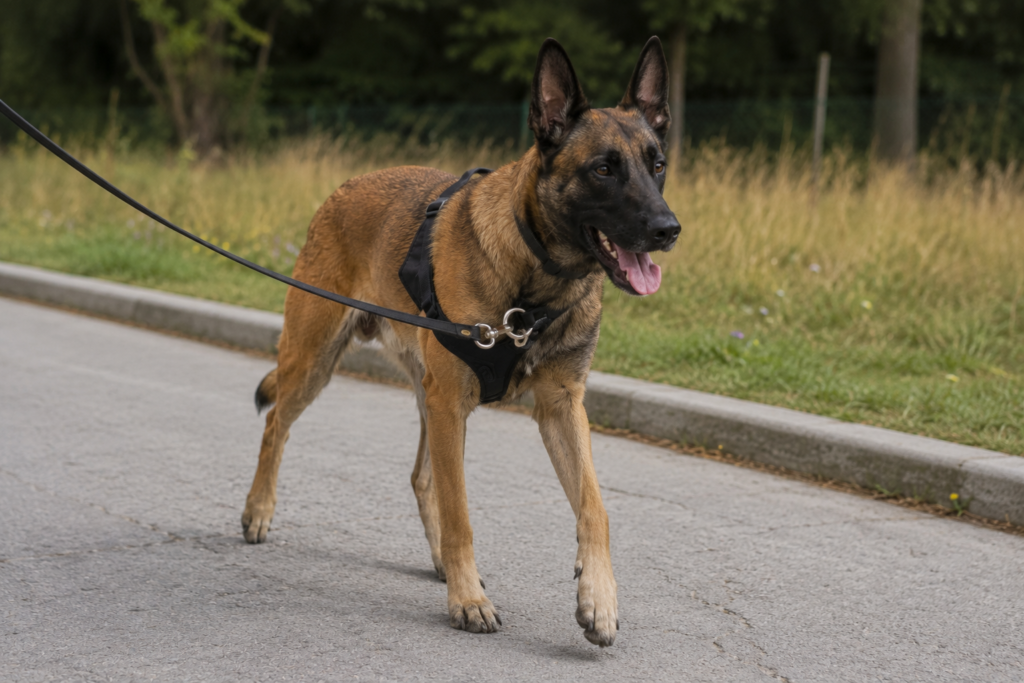
Dogs don’t pull to be difficult. They pull because it works. They want to reach the smell or the squirrel, and lunging gets them there a half-second sooner, so the behavior gets rewarded every single walk.
There’s also a reflex working against you, called the opposition reflex: push or pull against a dog and they instinctively push back. That’s the trap most walking gear falls into. Yank the leash and you trigger that reflex, so your dog pulls harder, not softer.
It’s worth saying that pulling isn’t stubbornness or your dog trying to be the boss, two old ideas that lead people toward harsh tools. Your dog has simply never been shown that a loose leash is what opens the world up. The right harness makes teaching that lesson far easier.
What usually doesn’t work
Before the fix, it helps to clear out the things that quietly make pulling worse.
- Pulling back on the leash. It feels natural, but it triggers the opposition reflex and turns the walk into a tug-of-war you’ll lose.
- Back-clip harnesses. They’re fine for trained dogs, but for a puller, a ring on the shoulders is basically a sled-dog rig that lets them lean in and haul.
- Retractable leashes. They reward pulling with more leash, which teaches your dog that leaning into the line gets them what they want.
- Choke and prong collars. They can suppress pulling through discomfort, but they teach nothing and carry real injury risk. There’s a gentler tool that works better.
What actually works: the best no pull dog harnesses
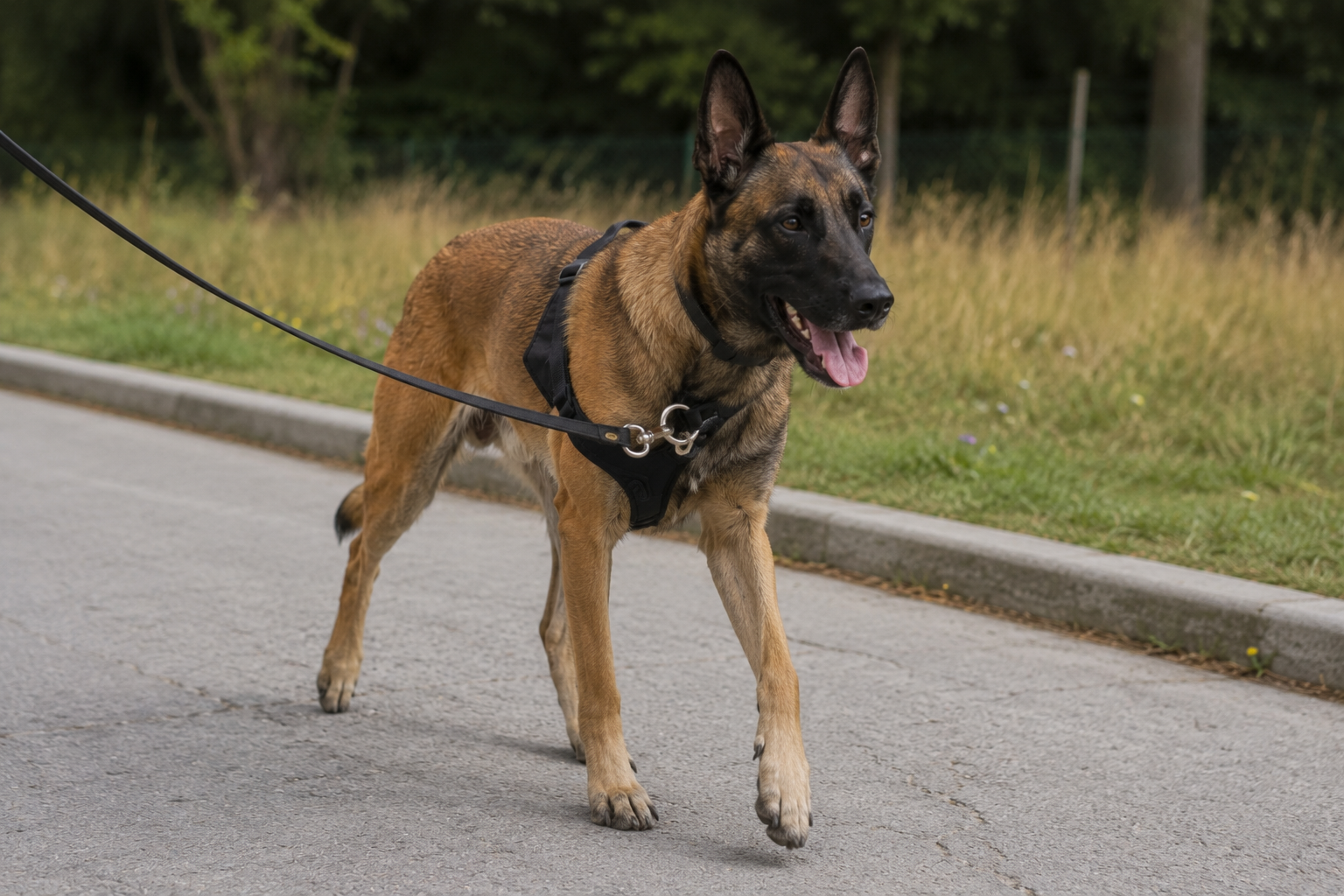
Here’s the shift that fixes most pullers: a front-clip harness. The leash attaches at your dog’s chest instead of their back, so when they lunge, the harness gently turns them back toward you instead of letting them power forward. No pain, no choking, just physics on your side.
That redirection is why front-clip designs are the best no pull dog harnesses for the average pulling dog. They work with your dog’s body instead of against the opposition reflex, so there’s no fight to win, just a gentle nudge back to your side. The two below are the ones trainers reach for first, and between them they cover everything from a mild puller to a committed, muscle-bound one.
Easy Walk vs Freedom: a quick comparison
Both are front-clip harnesses, but they solve the problem a little differently.
| PetSafe Easy Walk | 2 Hounds Freedom | |
| Clip points | Single front (chest) | Front and back at once |
| Best for | Moderate pullers, budget | Strong, committed pullers |
| Price | $22.99 | From $32.98 |
| Extras | Deluxe version adds padding | Velvet-lined, made in USA, Mini sizes |
PetSafe Easy Walk Harness ($22.99): the easy, affordable starting point
If you try one thing, make it this. The Easy Walk was designed by a veterinary behaviorist, and it’s the harness most trainers recommend first. The leash clips to a martingale loop on the chest, so a lunge tightens gently and steers your dog sideways instead of forward. It’s lightweight, breathable, and genuinely simple to put on.
Priced at $22.99, it’s low-risk, and for moderate pullers it often works on the very first walk. If you want a little more, a Deluxe version adds padded neoprene straps and reflective stitching for a few dollars more, which is nice for early-morning or evening walks.
Where to buy: PetSafe Easy Walk Harness (petsafe.com)
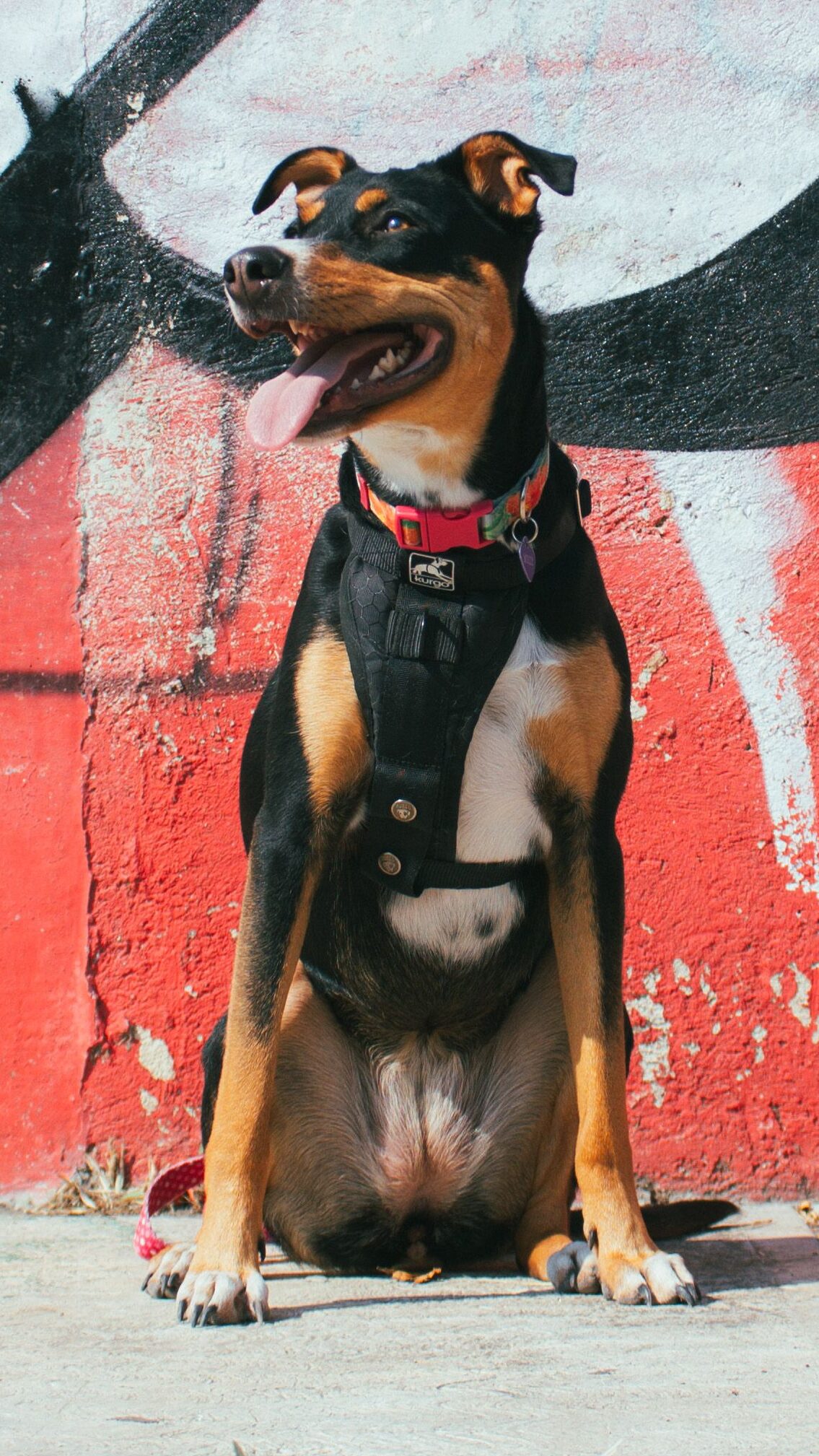
2 Hounds Design Freedom No-Pull Harness (from $32.98): for the strong, committed puller
Got a dog who treats the Easy Walk like a mild suggestion? Step up to the Freedom. Its leash clips to both the front and the back at once, giving you two points of control instead of one, which is a real difference with a powerful 60-pound dog mid squirrel-chase. The chest strap is velvet-lined to stop rubbing, it’s made in the USA, and it carries thousands of strong reviews.
It also comes in Mini sizes, so it scales from a chihuahua to a mastiff. At around $33 it costs more than the Easy Walk, but for a serious puller, that extra control and the comfort lining earn the difference. This is the no pull dog harness we’d point a strong-dog owner toward first.
Where to buy: 2 Hounds Design Freedom No-Pull Harness (2houndsdesign.com)
Which no-pull harness is right for your dog?
If you’re torn between the two, the choice usually comes down to how hard your dog pulls and how much you want to spend.
Pick the Easy Walk if your dog pulls moderately, you’re new to no-pull gear, or you’d rather start cheap and simple. It’s the lower-risk first try, and for a lot of dogs it’s all you’ll ever need. Pick the Freedom if your dog is big, strong, and genuinely determined, if a single front clip hasn’t been enough before, or if you want the comfort of a velvet-lined strap for daily walks. The two-point control is the upgrade that wins over the toughest pullers.
And if you have more than one dog, there’s no rule that says they need the same harness. A gentle senior and a teenage powerhouse have very different needs, and matching the harness to the dog is what makes the best no pull dog harnesses actually deliver.
How to introduce the harness without drama
A new harness can feel strange to a dog, so a few minutes of easing in pays off. Rushing it is how you end up with a dog who hides under the table at leash time.
Let your dog sniff the harness, then drape it on and feed a few treats before you even buckle it. Put it on for short, happy stretches indoors first, so it predicts good things, not just the vet. Once they’re relaxed wearing it, clip the leash and practice a lap of the living room. By the time you hit the sidewalk, the harness is just part of the routine, and the front clip can do its quiet work.
Tips to make a no-pull harness work even better
The harness does about half the job. These small habits do the rest, and they’re what turn a quick fix into a lasting one.
- Reward the loose leash. The second the line goes slack, treat or praise. You’re teaching your dog that not pulling is what pays off.
- Stop when they pull. Plant your feet and wait. The walk only continues once the leash loosens. It’s boring for them and remarkably effective.
- Get the fit right. Too loose and a dog can wriggle out or the redirect won’t work. Snug enough to slip two fingers under the straps is the target.
- Keep early sessions short. Five focused minutes beats a frustrating hour for both of you while the new habit sets in.
FAQ
Are no pull dog harnesses safe and humane?
Front-clip designs like these are far gentler than choke or prong collars. They redirect your dog with no pain and no pressure on the throat. Fit it properly and avoid hard leash jerks, and a no-pull harness is a safe, humane tool that most trainers happily recommend.
Will a no-pull harness stop pulling on its own?
It cuts pulling dramatically right away, but it works best alongside a bit of training. Think of it as power steering, not autopilot. Reward the loose leash, stop when your dog pulls, and most dogs improve quickly once the harness takes the muscle out of the equation.
Front-clip or back-clip harness for a dog that pulls?
For a puller, front-clip wins. A back clip sits on the shoulders and lets your dog lean into it and haul like a sled dog, while the front clip on the chest turns them gently back toward you. Many harnesses, including the Freedom, give you both, so you can use the front clip while you train and switch to the back once your dog walks nicely on a loose leash.
Calmer walks start with the right harness
If walks have become a battle, you don’t need a stronger arm, you need better physics. For most dogs, the PetSafe Easy Walk turns the walk around for about the price of two coffees. For the strong, determined puller, the 2 Hounds Freedom gives you the extra control to match.
Either way, the best no pull dog harnesses do something quietly wonderful: they hand you back the calm, sniffy, pleasant walk you and your dog were always meant to be having. Add a little praise for a loose leash, and you’ll both look forward to the door opening again.