Best Cat Brushes for Shedding: 3 Picks to Cut Hairballs and Mess (2026)
Best cat brushes for shedding
Cat hair on the couch. Cat hair on your black pants. Cat hair, somehow, in your coffee. If you share your home with a cat, shedding is a fact of life, and so are the hairballs that come when your cat swallows all that loose fur. The fix is simpler than a lint roller arms race: the right brush, used regularly, pulls loose hair off your cat before it lands on your furniture or in their stomach. The best cat brushes for shedding genuinely cut the fur tumbleweeds, and we found three that do it well.
Below we’ll cover why cats shed, what to look for in a shedding brush, the three we’d reach for, and how to brush even a cat that hates it.
This post contains affiliate links. If you buy through them, we may earn a small commission at no extra cost to you.

Why cats shed (and why brushing helps)
Shedding is normal. Cats constantly cycle old hair out to make room for new growth, and most shed more heavily in spring and fall as the seasons change. Long-haired and double-coated cats shed the most, since they have a dense undercoat that loosens in clumps.
Brushing helps in two ways. It captures that loose fur in the brush instead of on your sofa, and it removes hair your cat would otherwise swallow while grooming, which means fewer hairballs. Regular brushing also spreads healthy skin oils and lets you spot lumps or parasites early. One honest note: a sudden spike in shedding, bald patches, or irritated skin can signal stress, allergies, or a health issue, so loop in your vet if the shedding seems excessive.
What to look for in the best cat brushes for shedding
Different coats and cats need different tools. Look for these:
- The right type for the coat. Deshedding tools reach the undercoat and pull the most loose hair; slicker brushes catch surface fur and tangles. Long or double coats benefit from a deshedder, short coats often do fine with a slicker.
- Gentle on skin. Stainless edges should glide through fur without scratching skin. Press lightly, since a deshedder used too hard can irritate.
- Easy to clean. A button or quick way to release the trapped fur means you’ll actually keep using it.
- A comfortable handle. An ergonomic grip makes the regular, short sessions cats prefer far easier on your hand.
With that filter, three rose to the top, covering deep deshedding to everyday brushing. We’ll start with the winner.
The 3 best cat brushes for shedding
| Brush | Best for | Type | Price |
| FURminator Undercoat deShedding Tool | Best overall, heavy shedders | Deshedding tool | $33.62 |
| Hartz Fur Fetcher De-Shedder | Budget deshedding | Deshedding tool | $19.88 |
| Fiskars Pet Slicker Brush | Everyday brushing | Slicker brush | $19.99 |
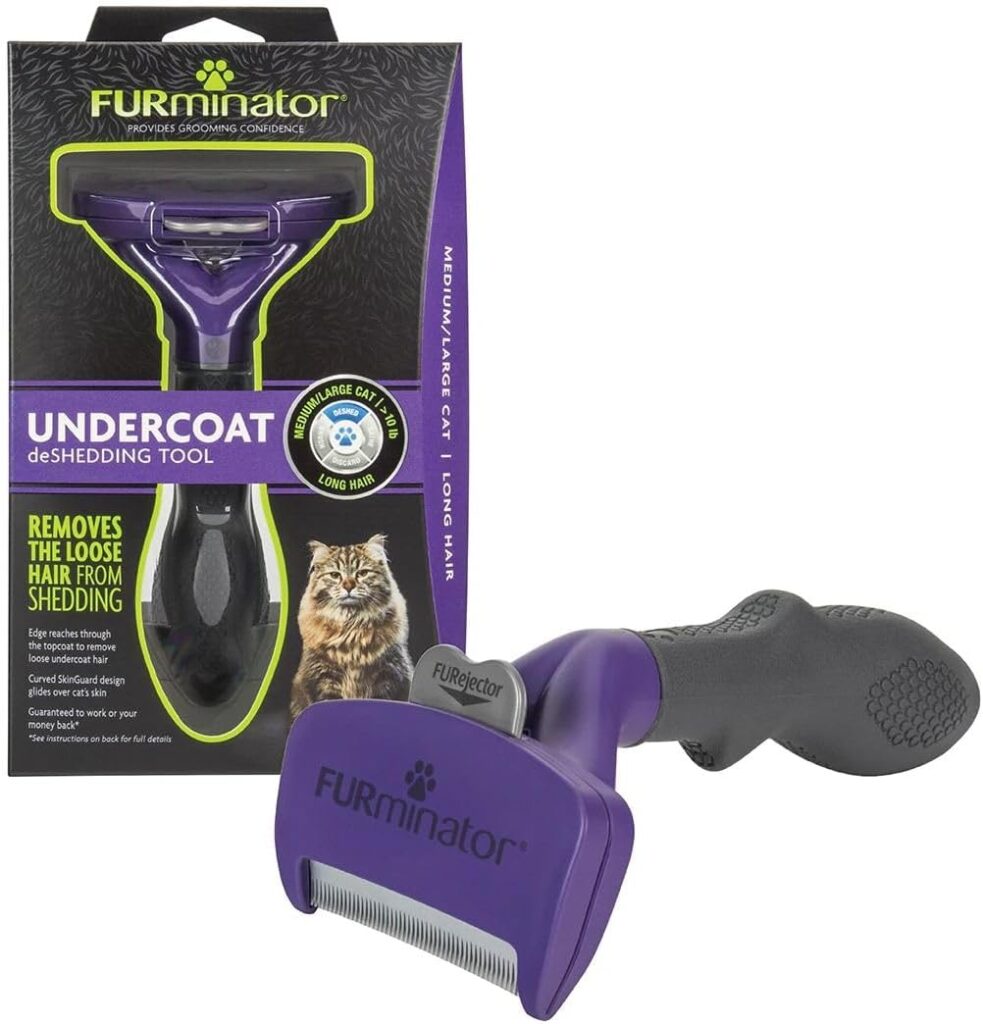
Best cat brushes for shedding overall: FURminator Undercoat deShedding Tool ($33.62)
The deshedding benchmark. The FURminator’s fine stainless teeth reach down through the topcoat to pull loose undercoat hair that ordinary brushes miss, dramatically reducing how much your cat sheds around the house and swallows. There’s a button to eject the captured fur in one click, and the version for medium-to-large, long-haired cats is sized for the heaviest shedders. The difference after one session is genuinely startling.
At $33.62, it’s the priciest pick and the most effective at the actual problem. The honest caveat: a deshedder is powerful, so use light pressure and short sessions to avoid irritating your cat’s skin.
Where to buy: FURminator Cat Undercoat deShedding Tool (walmart.com)
Best budget deshedder: Hartz Fur Fetcher De-Shedder ($19.88)
Most of the deshedding power, less of the price. The Hartz Fur Fetcher uses a stainless edge to grab and lift loose undercoat hair, with an ergonomic handle that’s comfortable for longer grooming. It’s a solid choice if you want real deshedding results without paying premium, and it works well on short and medium coats especially.
Priced at $19.88, it’s the value deshedder. The trade-off versus the FURminator is a bit less reach and refinement on very dense, long undercoats, but for most cats it does the job.
Where to buy: Hartz Groomer’s Best Fur Fetcher De-Shedder (walmart.com)
Best for everyday brushing: Fiskars Pet Slicker Brush ($19.99)
The gentle daily tool. A slicker brush has fine, angled wires that catch surface fur, dander, and small tangles, making it ideal for frequent, light grooming that most cats tolerate happily. It’s perfect for short-haired cats, for daily upkeep between deshedding sessions, and for cats who find a deshedder too intense.
At $19.99 it’s a comfortable, well-made everyday brush from a trusted name. The caveat: a slicker won’t pull deep undercoat the way a deshedder does, so heavy shedders may need both tools.
Where to buy: Fiskars Pet Slicker Brush (walmart.com)
How to brush a cat that hates it
Plenty of cats aren’t fans of grooming at first. A little patience wins them over:
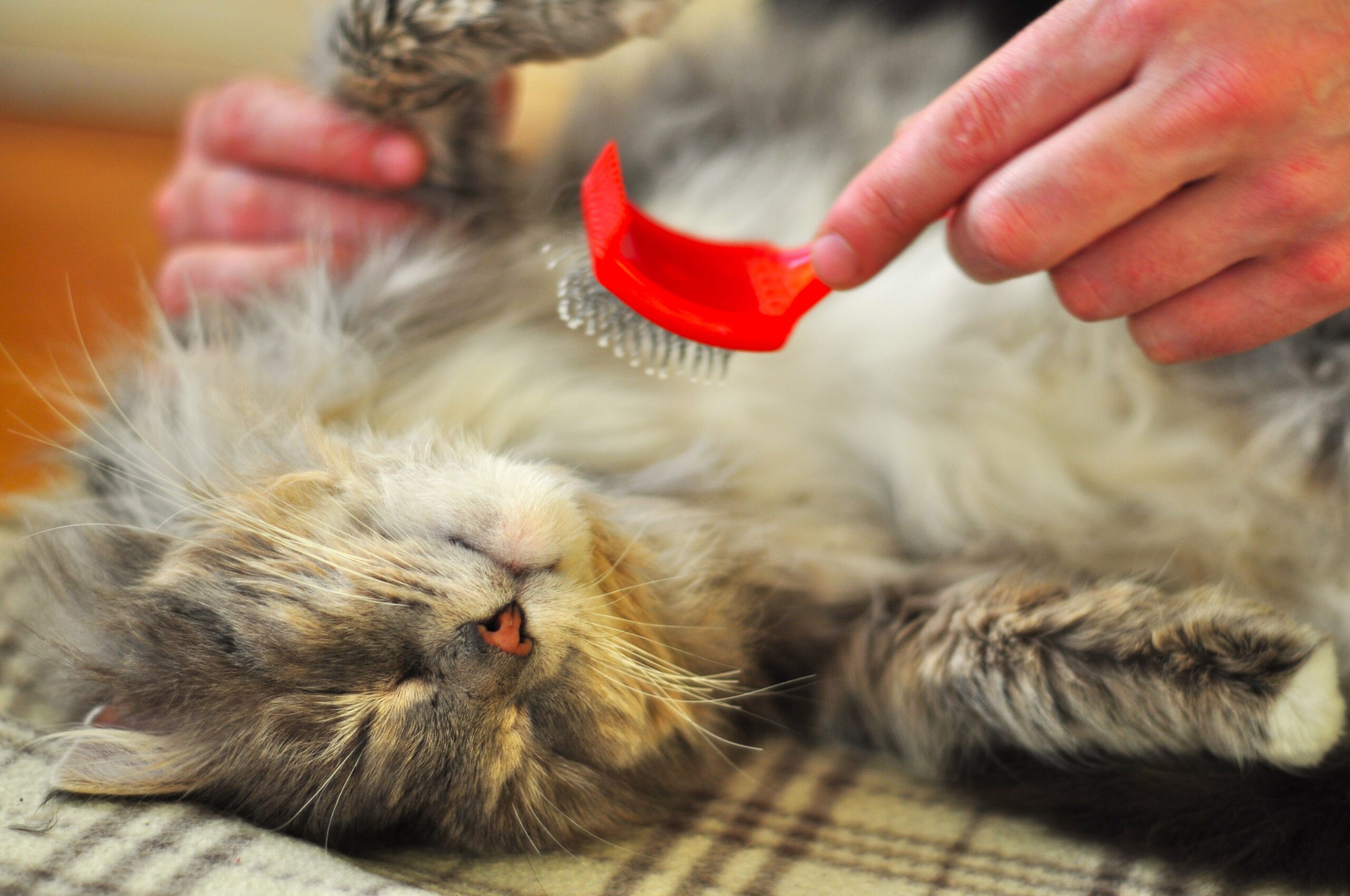
- Start short and sweet. A minute or two at a time, in spots cats love being touched, like the cheeks, chin, and back. Build up slowly.
- Brush in the direction of the fur. Going with the grain feels like petting; going against it feels like a yank.
- Pair it with good things. Brush before a meal or with treats nearby so your cat links grooming with rewards.
- Avoid the touchy zones. Belly, legs, and tail are sensitive for many cats. Stick to the back and sides until they relax.
Keep sessions calm and brief, and most cats come to enjoy the attention, while you enjoy a lot less fur everywhere.
Common questions about shedding brushes
How often should I brush my cat for shedding?
A few times a week works for most cats, and daily during the heavy spring and fall shedding seasons. Long-haired and double-coated cats benefit from more frequent sessions, while short-haired cats may need only a quick brush once or twice a week.
Can I use a deshedding tool too often?
Yes, overdoing it can irritate the skin. Use a deshedder gently and not every single day, and switch to a softer slicker brush for daily upkeep. If you ever see redness or your cat flinches, ease off and lighten your pressure.
Will brushing really reduce hairballs?
It helps a lot. Hairballs form from fur your cat swallows while grooming, so removing loose hair with a brush before they ingest it means fewer hairballs. It’s one of the simplest ways to cut them down, alongside good hydration and diet.

The verdict
Shedding will never stop entirely, but the right brush turns it from a losing battle into a quick routine. For most cats, the FURminator Undercoat deShedding Tool is the best cat brushes for shedding pick, pulling loose undercoat that nothing else reaches. The Hartz Fur Fetcher delivers similar results for less, and the Fiskars slicker is the gentle everyday brush for upkeep. Brush a few times a week, more during shedding season, and you’ll trade fur-covered furniture and frequent hairballs for a sleeker cat and a cleaner home.